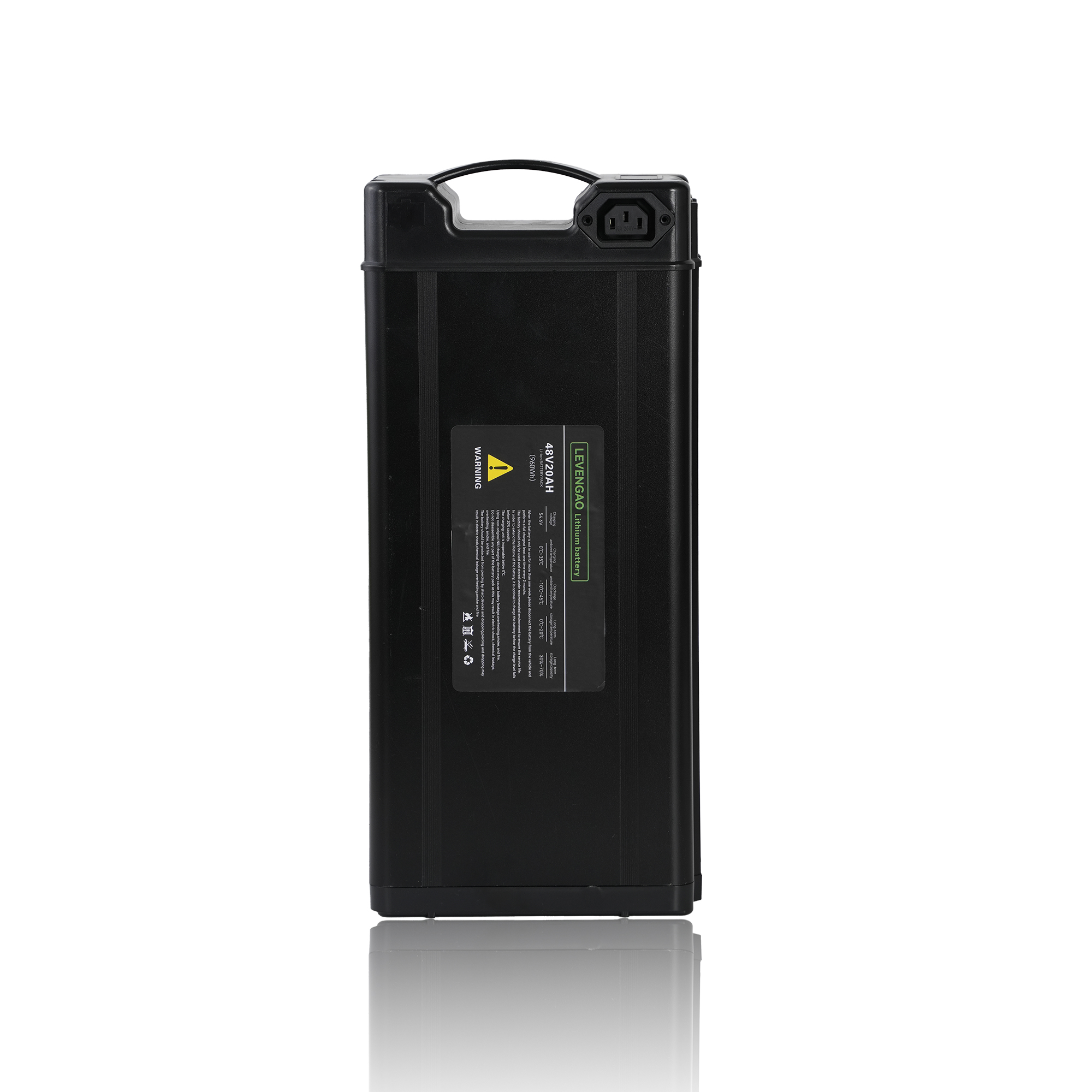
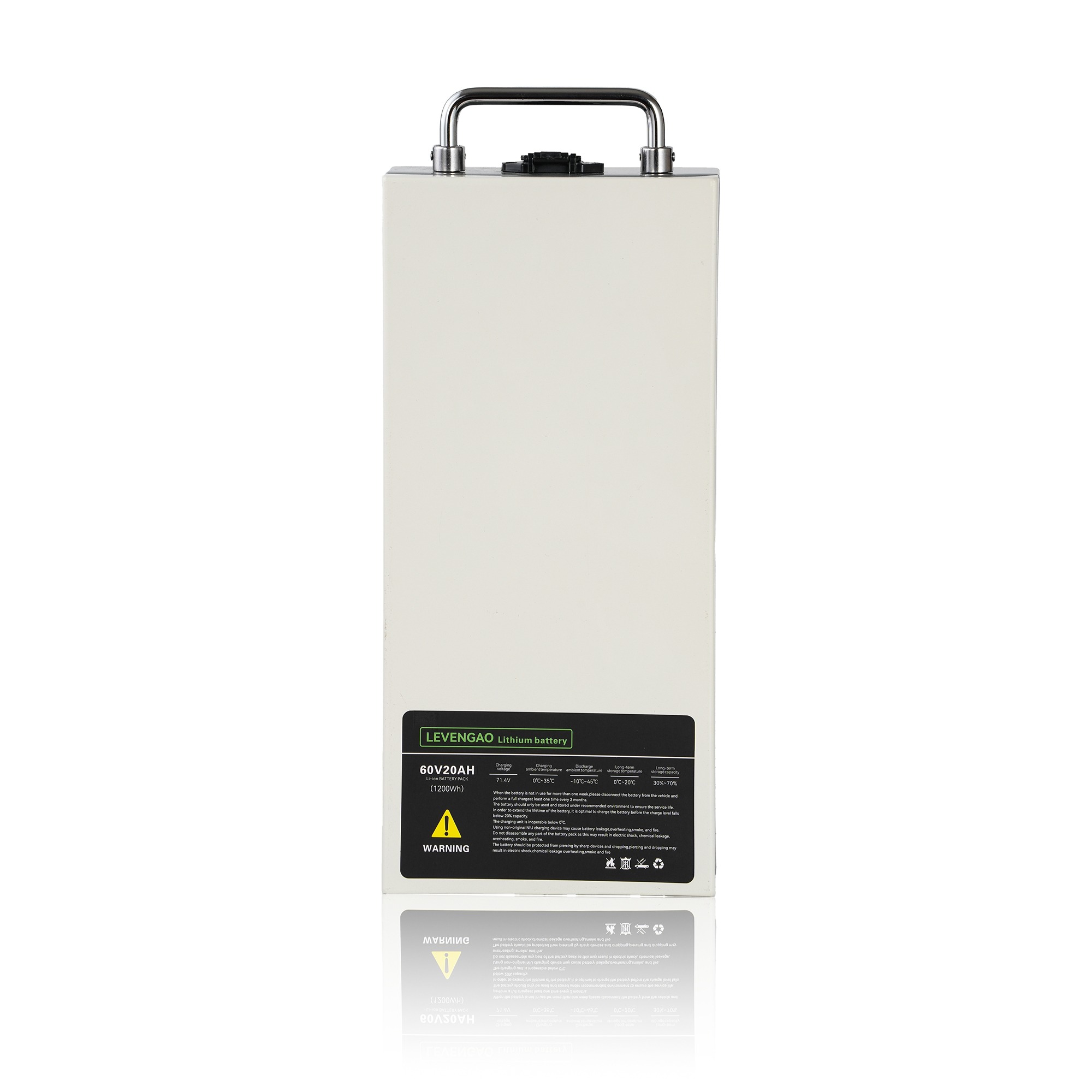
Quick Troubleshooting Guide for E-Bike/E-Scooter Battery Not Charging

Views :
Update time : 2025-12-17

The following troubleshooting steps are ordered from "simple to complex, external to internal", and can be directly used for customer self-inspection, after-sales documents, or independent website FAQs, suitable for cross-border scenarios.
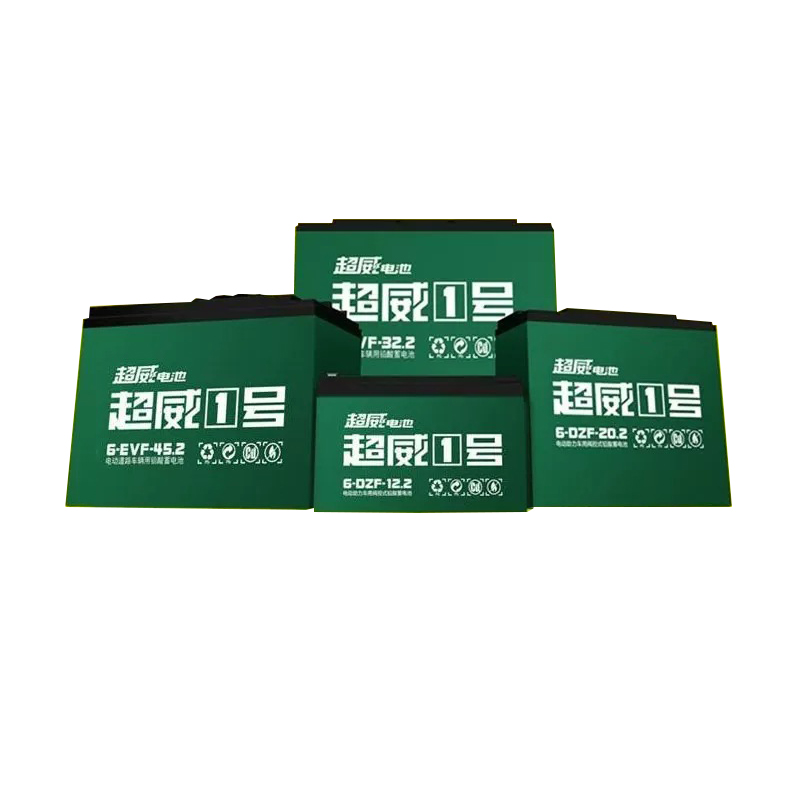
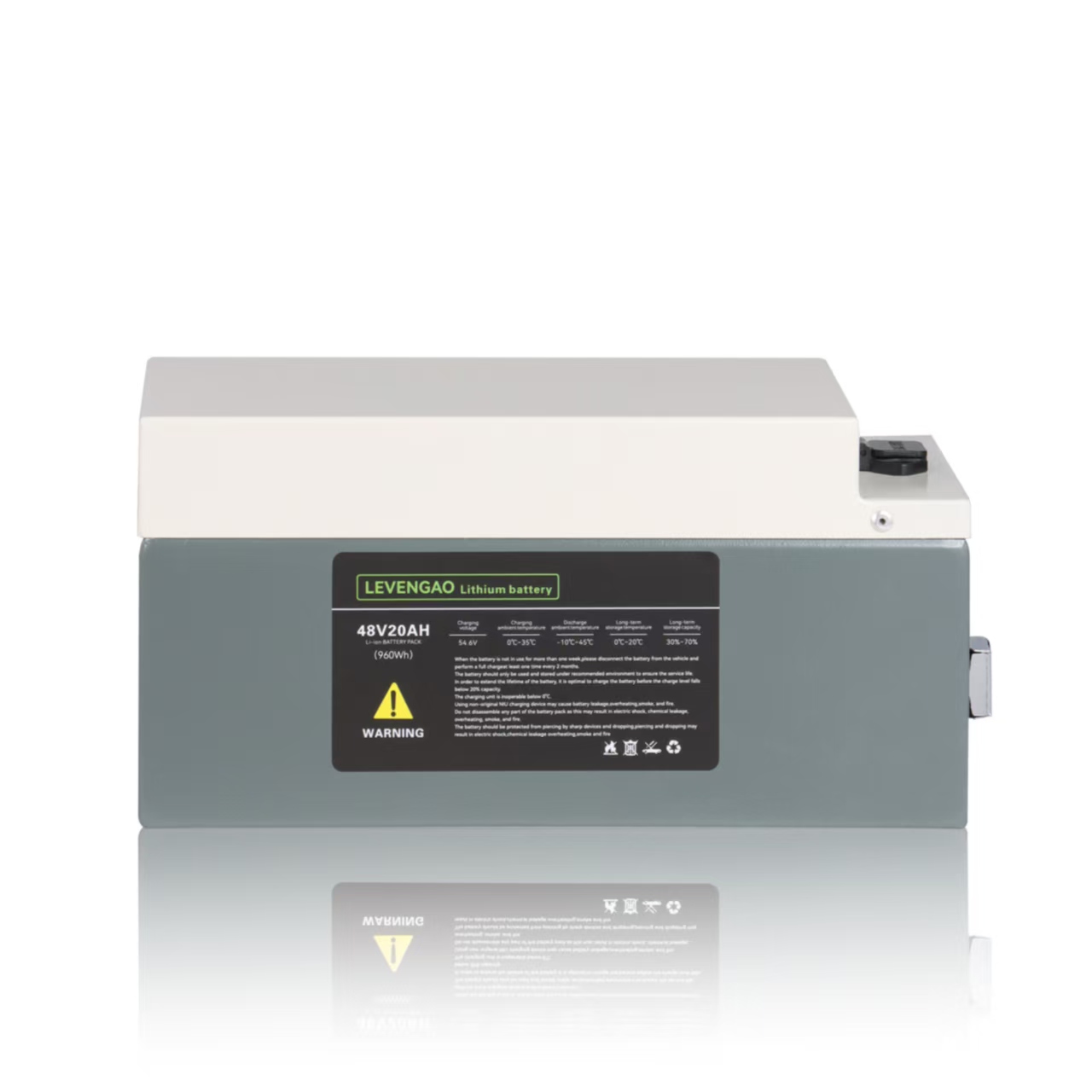
超威电池主图1.jpg锂电池主图 (1).jpg锂电池主图 (2).jpg锂电池主图 (3).jpg


1. Power & Charger Connection Check

  • Operation & Judgment:
    1. First, verify if the charging socket is energized (test with a phone charger or other devices);
    2. Check if the charger plug (to socket) and charger output (to battery port) are fully inserted (no looseness or poor contact);
    3. Observe the charger indicator: If the indicator doesn’t light up at all, the charger or power supply is likely faulty.
  • Common Causes & Solutions:

    Causes: Power socket outage, loose plugs, broken charger power cord;
    Solutions: Replace with a powered socket, reinsert all plugs firmly, replace with a functional charger.


2. Charger Function Test

  • Operation & Judgment:
    1. Replace with a same-model "known good" charger for testing: If charging works normally after replacement, the original charger is damaged;
    2. If charging still fails with the replacement charger, rule out charger issues and check the battery or vehicle charging port instead.
  • Common Causes & Solutions:

    Causes: Faulty internal circuit board of the charger, abnormal output voltage/current;
    Solutions: Replace with an original or 3C-certified charger that fully matches the battery specifications (voltage V/current A).


3. Battery Appearance & Status Check

  • Operation & Judgment:
    1. Check the battery case: Look for cracks, leakage, or swelling (swelling = severe battery aging, prohibit further use);
    2. For removable batteries: Remove and check if the electrode plates are oxidized (rust or white residue);
    3. Confirm "deep discharge": If the battery has been dead for more than 7 days without charging, it may enter a hibernation state.
  • Common Causes & Solutions:

    Causes: Battery aging, electrode oxidation, hibernation due to deep discharge;
    Solutions: Wipe oxidized electrodes clean with a dry cloth; try "low-current slow charging" to activate deeply discharged batteries; immediately replace swollen/leaking batteries.


4. Charging Port & Wire Check

  • Operation & Judgment:
    1. Check the charging port (vehicle or battery side): Look for foreign objects like dust or metal shavings inside, and clean gently with a dry cotton swab;
    2. Check wires and connections: First disconnect the charger power (to avoid short circuit), then check if the port wires are loose and if the wire insulation is damaged.
  • Common Causes & Solutions:

    Causes: Blockage of foreign objects in the port, loose connections, wire short circuit;
    Solutions: Clean foreign objects, re-fix loose connections; damaged wires need to be soldered or replaced by professionals.


5. Battery & Vehicle Compatibility Check

  • Operation & Judgment:
    1. Verify charger specifications: The charger’s voltage (V) and current (A) must exactly match the battery (e.g., a 60V charger cannot be used for a 48V battery);
    2. Confirm battery-vehicle compatibility: Some older vehicle models may not support new high-capacity batteries; check the vehicle manual for compatible battery models.
  • Common Causes & Solutions:

    Causes: Mismatched charger and battery specifications, incompatible battery and vehicle models;
    Solutions: Replace with a charger that matches the battery specifications; select battery models compatible with the vehicle as marked in the vehicle manual.


6. Internal Fault Check (Professional Only)

  • Operation & Judgment:
    If no abnormalities are found after the above 5 checks, the issue may be a faulty Battery Management System (BMS), damaged battery cells, or a faulty vehicle charging circuit. Disassembly and testing are required, and non-professionals are prohibited from operating on their own.
  • Common Causes & Solutions:

    Causes: BMS protection lock-up, battery cell degradation, faulty vehicle charging module;
    Solutions: Contact brand after-sales service or professional maintenance personnel for inspection; replace the BMS or the entire battery pack if necessary.


Key Safety Tips

  1. Do Not Operate: Never charge swollen or leaking batteries to avoid fire or corrosion.
  2. Power-Off Check: Always disconnect the charger power before checking the charging port or wires to prevent electric shock.
  3. Original Priority: When replacing chargers or batteries, prioritize original or national 3C-certified products


Related News
Read More >>
CKD vs CBU: The Smart Way to I CKD vs CBU: The Smart Way to I
08 .31.2026
IntroductionBrazil is one of the most promising markets in the world for electri
Why High Power Electric Motorc Why High Power Electric Motorc
08 .28.2026
IntroductionA high‑power electric motorcycle can cost three times as much as a c
Mid‑Drive vs Hub Motor for Rac Mid‑Drive vs Hub Motor for Rac
08 .28.2026
IntroductionThere are two ways to put electric power into a motorcycle wheel, an
Winter Battery Care for Electr Winter Battery Care for Electr
08 .28.2026
IntroductionWinter is when lithium batteries reveal their true limits.Your 72V b

Leave Your Message